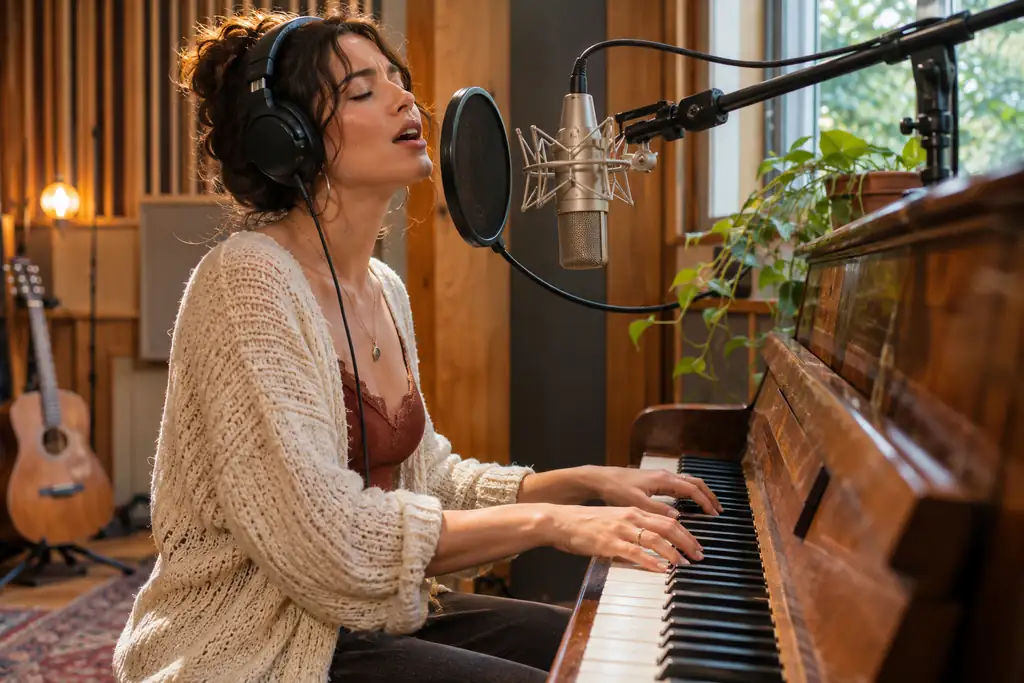
What is a cover song?
A cover song is a new interpretation of an existing song; in the context of a recorded release, you create your own version of a previously released track, rather than uploading the original artist’s file again. The English word cover commonly refers to this process.
To understand what you are creating, distinguish the song itself, meaning its composition and lyrics, from the recording through which you discovered it. Several artists can record the same song, each with a different interpretation; your cover adds a new recording, without making you the author or composer of the work you are covering.
For example, if you play a song originally performed by a band on the piano and record your voice, you produce another version of the track. If you simply obtain the band’s audio to sing over it, you are also using an existing recording, which requires a separate check of the rights involved.
Cover, adaptation, remix, and sample: what changes
The term “cover” is sometimes used for very different projects. To prepare a release, the most useful approach is to look at what comes from the work and what comes from the original audio file.
| Project | What you do | What to check |
|---|
| Cover version or cover | You re-record an existing song with your own interpretation. | The conditions for exploiting the composition and distributing your recording. |
| Adaptation | You transform the work, for example by translating its lyrics or rewriting part of the text. | The permissions covering this transformation. |
| Remix | You generally rework an existing recording or its separate tracks. | The rights to the recording used and, depending on the changes, to the composition. |
| Sample | You incorporate an audio excerpt from another recording. | The rights related to that excerpt and to the work it contains. |
These categories can overlap; a version sung with new lyrics over an excerpt from the original master therefore raises several issues at once; declaring it as a simple cover is not enough to resolve them.
How do you make a cover song that reflects who you are?
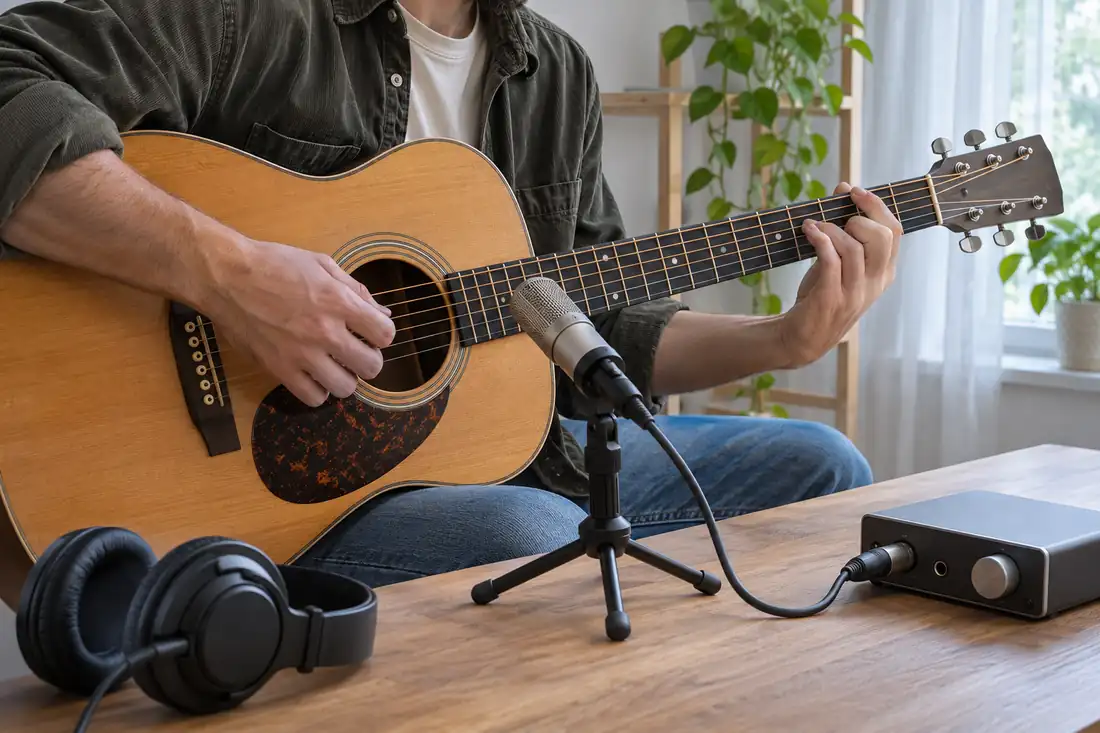
To make a cover song, start by choosing a track you want to perform, then explore what your voice or playing style can bring to it. A heavily produced song may make you want to try a stripped-down version; a ballad can also reveal a different energy with a different rhythmic approach.
Developing your interpretation
Work on the key to suit your voice, try instruments that serve the track, and listen to how your phrasing brings out the lyrics. The tempo, dynamics, and space left for silence already give you room to explore, without trying to reproduce every detail of the record.
Your arrangement must nevertheless remain compatible with the conditions that apply to the cover; a change in style is not blanket permission to transform the work: if your version substantially changes the melody or structure, ask for clarification on whether it still qualifies as a cover or must be treated as an adaptation.
Can you change or translate the lyrics?
Changing a cover’s lyrics or translating them requires treating the project as an adaptation that needs to be checked separately; even if the melody remains recognizable, you are no longer simply performing the existing text. Before releasing this version, check with the rights holders or their representatives what permission is required for the planned change.
Covering a song in another language is therefore not automatically subject to the same conditions as re-recording its original lyrics. Permission or a license intended for a faithful cover should not be assumed to cover that translation.
Can you use the original instrumental for your cover?
Using the original instrumental means reusing part of the recording; even if you replace the vocals entirely, you need to check the rights to that audio in addition to those relating to the song. Removing vocals with software does not turn the remaining track into a new, independent recording.
A karaoke backing track or an instrumental found online also raises the question of that file’s terms of use. Before incorporating it, check whether its license allows commercial distribution of your version and whether the distributor accepts this type of accompaniment. Simply being able to download it does not answer these two questions.
To prepare a cover that is entirely re-recorded, you can play the accompaniment yourself or have it recorded for your project. Clarify the terms for using their contributions with the musicians and the people in charge of production, then keep the agreements relevant to the release.
Do you need permission to release a cover song?
The answer depends on your project and the conditions under which it will be exploited. Making your own recording does not remove the rights to the composition and lyrics. Before release, check which uses are covered, which steps remain your responsibility, and who can grant you the necessary permissions.
In the United States, a cover of a song that has already been released may fall under the U.S. mechanical licensing system. This does not authorize the use of the original master recording, and it does not allow you to change the basic melody or fundamental character of the song without additional permission.
- The target territories. The possibility of distribution in one country does not guarantee the same coverage everywhere.
- The type of use. Streaming, downloading, and releasing a video should not be considered automatically interchangeable.
- The changes made. A translation or a substantial transformation of the work may require a separate agreement.
- The chosen service. Check what the distributor handles and what supporting documents it requires from you.
Present your project to the distributor in concrete terms: the song being covered, the planned version, the accompaniment used, and your desired platforms and territories. If permission is missing, ask for clarification on which rights holder, publisher, or competent organization you need to approach. Keep the documents obtained and their scope of use.
These distinctions between the work, recording, and uses are explained by the World Intellectual Property Organization; they help you ask the right questions, without assuming that a single license covers every project.
Preparing the recording, credits, and cover art
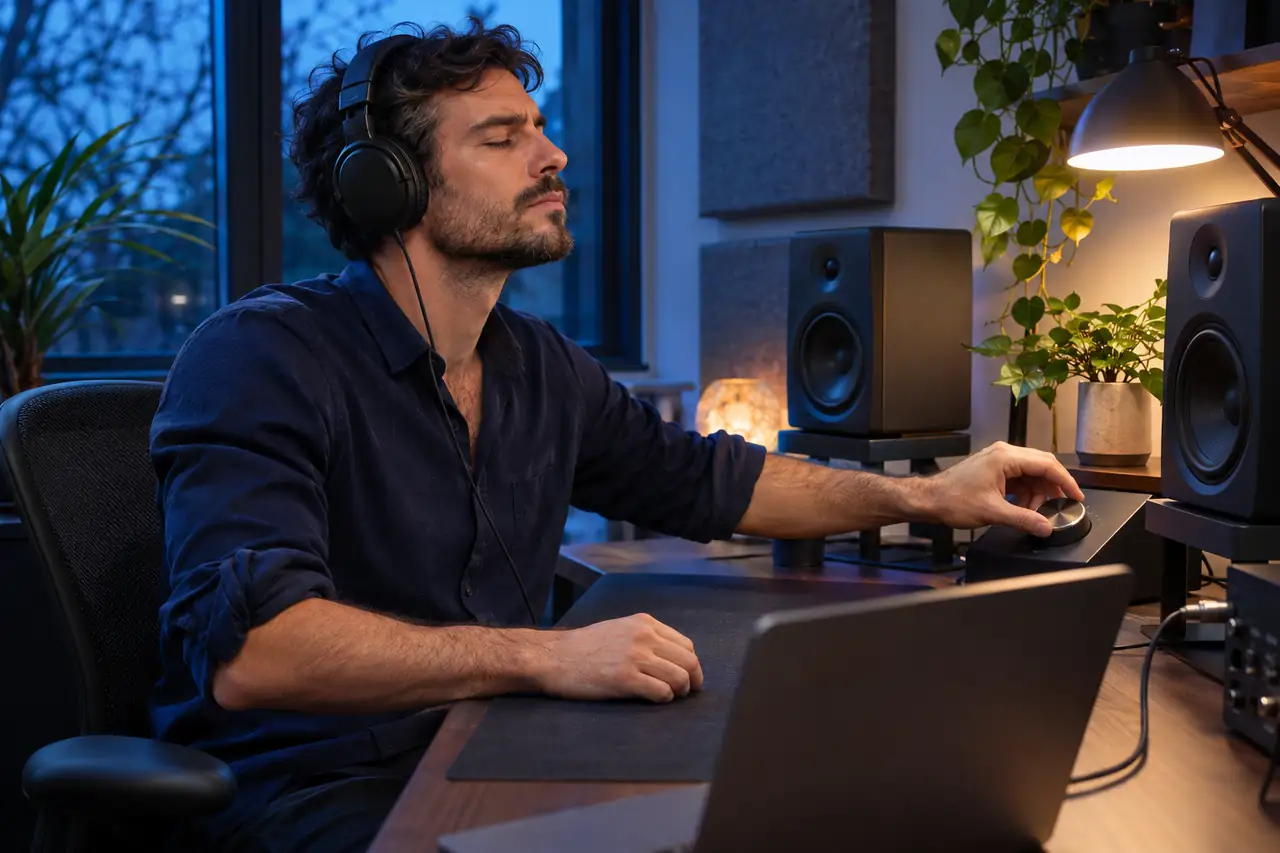
Once the conditions for your project have been clarified, prepare the cover as a genuine music release. The file you deliver must be the one you want people to hear, and all the information must describe your version.
Finalizing the sound
Finish recording, mixing, and mastering before submission. Listen to the entire exported file to identify distortion, an accidental silence, or an editing error, then check the audio formats accepted by the distributor. Also keep the sessions and working tracks so you can correct the project if necessary.
Listing the right contributors
Gather the song title, the names of its authors and composers, your artist name, and the credits for the people who actually took part in the new recording. The performer who made the track popular is not necessarily its author: check the credits rather than inferring roles from the name displayed on a platform.
Do not present the original artist as a featured guest on your cover if they are not taking part in it. For the title, version labels, and identification of the cover, follow the distributor’s instructions rather than freely adding names or promotional information.
Creating the artwork for your version
Prepare cover art that represents your release using elements you can use. Reproducing the original record’s cover may cause confusion with that recording. Our album cover guide details the dimensions, formats, and points to check before distribution.
Releasing a cover on Spotify, Apple Music, and Deezer
A cover can be submitted to platforms if it meets the conditions required for distribution. For an independent artist, submitting to Spotify involves a distributor that delivers the audio file, cover art, and metadata; a personal listening account is not used to submit a music release. The general process is detailed in our guide on how to upload music to Spotify.
The same preparation can serve a release on several services, including Apple Music and Deezer, but the chosen destinations must remain compatible with the rights and conditions that apply to your cover. Our overview of music distribution platforms helps you identify the services offered by Dibsteur.
Having the necessary rights does not in itself guarantee editorial acceptance; Apple specifically states that it does not accept covers and sound-alike recordings that are too close to the original. So prepare a version that is clearly identifiable as your interpretation and a presentation that does not suggest a release by the original artist.
Preparing your project with Dibsteur
The Dibsteur guide provides for creating a single, EP, or album, adding the audio and cover art, entering credits, and choosing territories and a release date; it also asks you to check the permissions needed for covers.
Before submitting yours, have the conditions that apply to your version and any supporting documents required confirmed. Do not assume that submitting the track automatically includes obtaining a license. Once these points have been clarified, the guide on how to distribute your music with Dibsteur helps you prepare the release.